


Self-Perform Operations
Energy Management System
An EMS turns metering, generation, storage and building equipment into one controllable system.
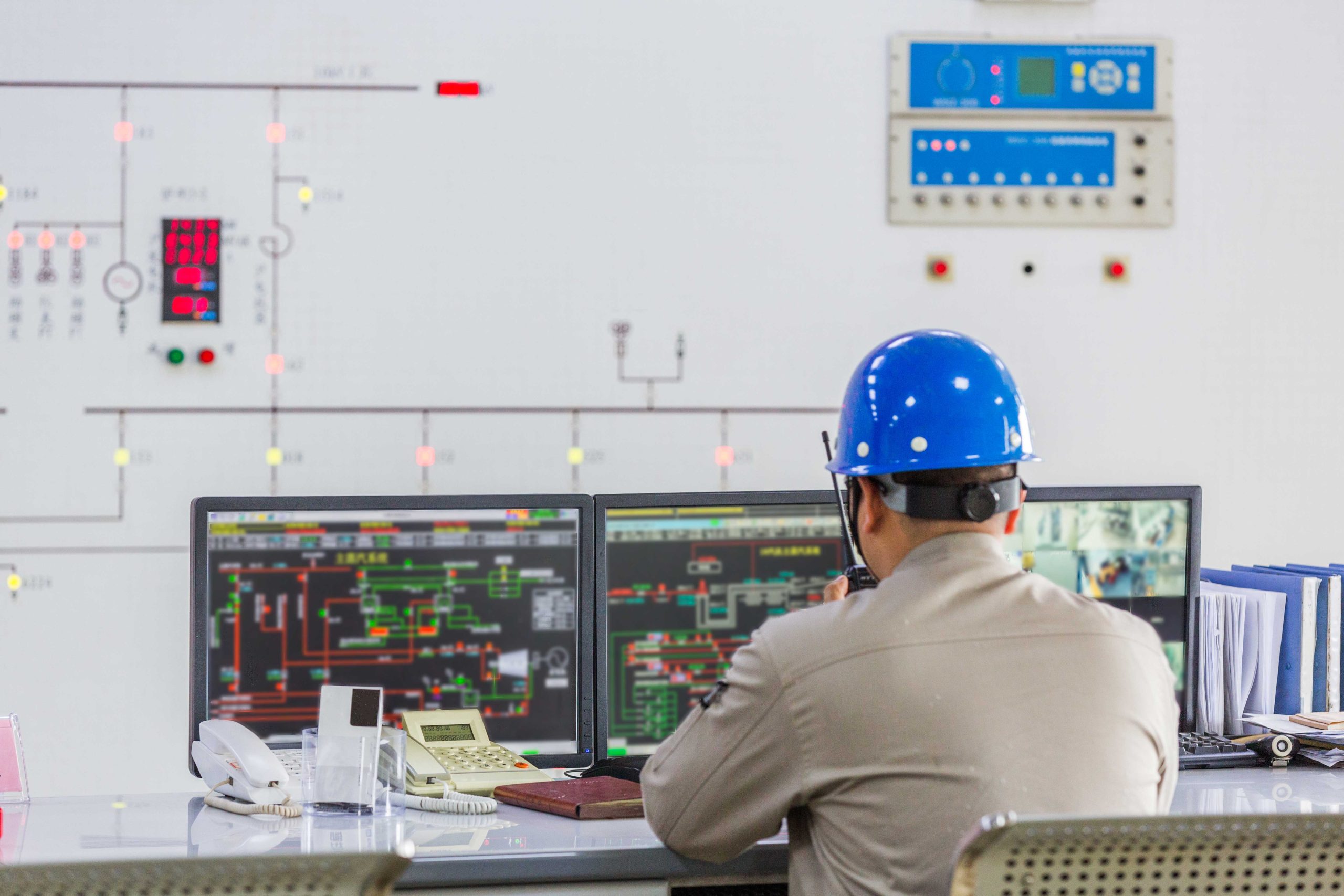
One layer over generation, storage and load
An Energy Management System (EMS) is the intelligent layer that brings a facility’s energy infrastructure together. By combining hardware, software, and real-time data, an EMS provides greater visibility and control over how energy is generated, stored, distributed, and consumed.
Rather than simply tracking energy use, an EMS helps facilities make smarter energy decisions. It can identify inefficiencies, respond to changing demand, coordinate renewable generation and battery storage, and optimize when and how equipment consumes power. The result is a more efficient, reliable, and resilient energy operation.
Metering
Monitoring
Analytics
Demand control
DER integration
Building systems
Network & security
Ongoing optimization

Metering & Data Acquisition
Utility grade meters and submeters at the service, panel, feeder and equipment level, so consumption can be attributed to a building, a tenant or a process.
Data is collected over Modbus, BACnet and IP networks at intervals fine enough to see demand peaks rather than monthly averages.
Real-Time Monitoring
Live views of load, power quality, generation and storage state of charge across every monitored point in the facility.
Alarm thresholds notify the operations team when a circuit, asset or site drifts outside its normal operating band.

Analytics & Reporting
Baselines, load profiles, cost allocation and variance reports that show where energy is actually going and how that changes over time.
Reports can be structured for finance, operations, sustainability disclosure or utility incentive programs.

Demand & Load Management
Automated load shedding, staging and scheduling to hold demand below the thresholds that drive utility demand charges.
Where tariffs allow, the system shifts flexible load and dispatches storage into peak windows and demand response events.

Distributed Energy Integration
Solar inverters, battery storage, EV chargers, generators and microgrid controllers brought under one supervisory layer.
Dispatch rules decide when to self-consume, charge, discharge or export based on tariff, weather forecast and site demand.

Building Systems Integration
HVAC, lighting, refrigeration and process equipment tied into the EMS through the existing building automation system.
Setpoints, schedules and occupancy strategies are tuned against measured results instead of design assumptions.

Network Architecture & Security
Segmented OT networks, gateways, secure remote access and role-based permissions between the energy system and the business network.
Configuration, firmware and access records are documented so the owner’s IT group can audit the system.

Commissioning & Ongoing Optimization
Functional testing, measurement and verification, and operator training at handover.
Continuing service reviews performance against the baseline, retunes control sequences and keeps savings from drifting after year one.
Our Difference
Why Choose Emmaty Construction?
Audit & baseline
We review utility bills, tariffs, single-line diagrams and existing controls to establish what the facility spends and why.
Design & instrument
Metering points, network architecture and control sequences are designed, then meters, gateways and controllers are installed.
Integrate & commission
Generation, storage and building systems are connected, points are verified end to end, and sequences are tested under real load.
Operate & improve
Operators are trained, results are measured against the baseline, and control strategies are adjusted as rates and occupancy change.
Credentials
What’s trending in EMS