
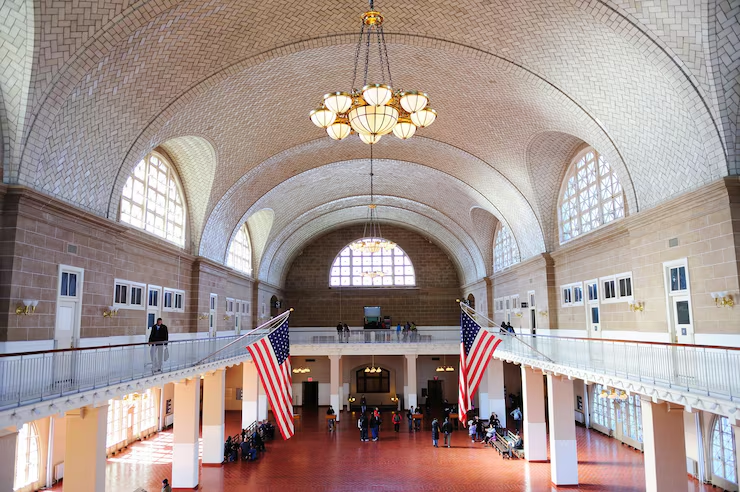
State governments manage a large portfolio of public buildings: courthouses, office buildings, universities, health facilities, parks and transportation centers. Many of these facilities are aging, and states are investing in programs that improve safety, accessibility, energy performance and the experience of the people who use them every day.
Deferred maintenance and capital renewal: Many states have large backlogs of deferred maintenance. Capital programs prioritize roofs, building envelopes, mechanical and electrical systems, and life-safety upgrades that extend the life of existing buildings. In Massachusetts, the Division of Capital Asset Management and Maintenance (DCAMM) oversees much of this work for state agencies.
Decarbonization and energy efficiency: States are setting targets to reduce emissions from public buildings. Projects include building electrification, heat pumps, LED lighting, building controls, rooftop solar and electric vehicle charging in public parking areas. These investments lower operating costs and help states meet their climate goals.
Accessible and welcoming public spaces: Public buildings and outdoor spaces are being updated to meet accessibility requirements and serve a wider range of users. Upgrades often include accessible entrances and restrooms, clearer wayfinding, better lighting, and safer sidewalks and plazas.