

Microgrid Systems
A microgrid is a localized energy network designed to give a facility or community greater control over how its power is generated, stored, distributed, and managed.
Operating within defined electrical boundaries, a microgrid brings together local energy resources and intelligent controls as one coordinated system. It can operate while connected to the traditional utility grid or, when conditions require it, disconnect and continue supplying power independently.
This flexibility makes microgrids especially valuable for critical facilities, campuses, healthcare environments, military installations, data centers, and remote communities where energy reliability and resilience are essential.
How a Microgrid Works
Generate
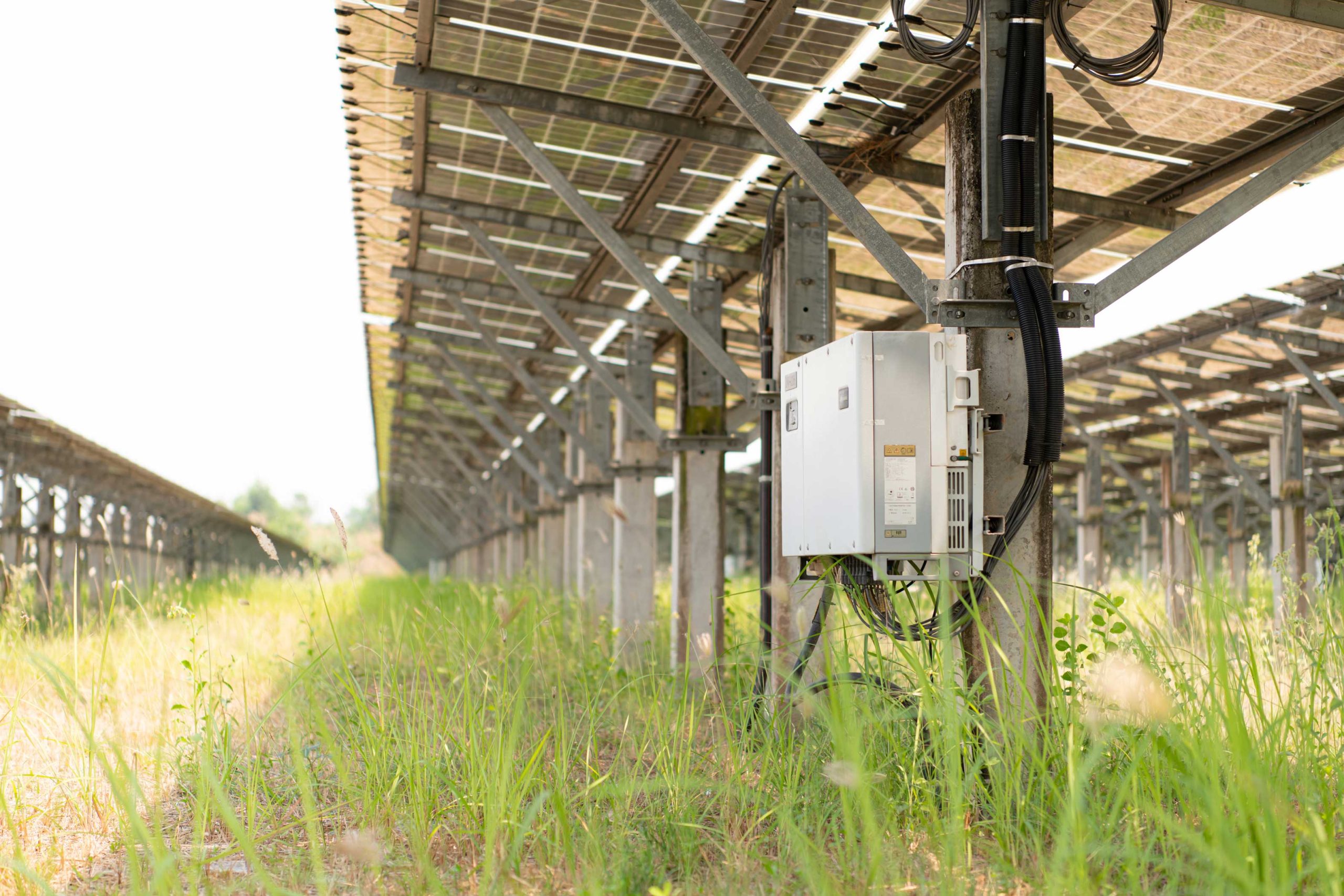
Microgrids can integrate multiple Distributed Energy Resources (DERs), including solar photovoltaic systems, wind generation, fuel cells, and conventional backup generators powered by diesel or natural gas.
Store
Battery Energy Storage Systems (BESS) capture excess energy and make it available when demand increases, utility power becomes unavailable, or stored energy can provide greater operational value.
Manage & Control
Intelligent microgrid controllers continuously balance energy generation, storage, and facility demand. These controls allow the system to determine how available energy resources should work together based on current operating conditions.
Operate Independently
One of the defining capabilities of a microgrid is island mode. During a utility outage or emergency, the microgrid can disconnect from the main grid and continue operating independently, helping maintain power to critical loads.
Why It Matters
A well-designed microgrid gives organizations greater energy resilience, flexibility, and control.
By combining local generation, energy storage, and intelligent controls, microgrids can help critical operations remain online when the utility grid experiences an outage or disruption.
They also create a stronger foundation for renewable energy integration, allowing facilities to make better use of locally generated solar, wind, and other distributed resources while coordinating them with battery storage and conventional generation.
Because power is generated and managed closer to where it is consumed, microgrids can also reduce transmission losses and provide opportunities to optimize energy costs.
Ultimately, a microgrid transforms a facility from a passive energy consumer into a more resilient and actively managed energy ecosystem—one capable of working with the utility grid when it is available and operating independently when it matters most.