
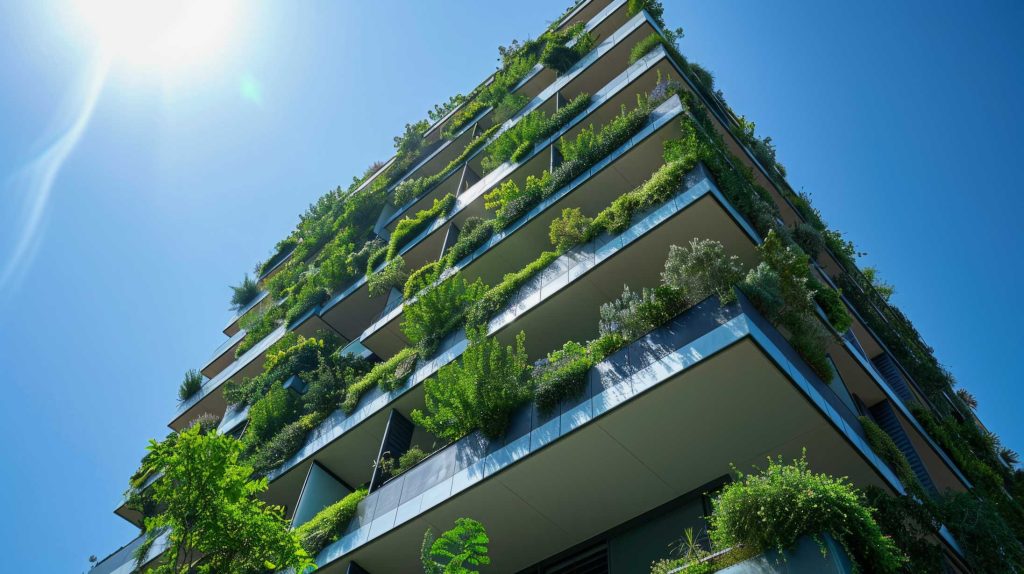
Building a Sustainable Future Through Smarter Design and Construction
As the global demand for sustainable infrastructure continues to grow, the construction industry plays a critical role in reducing environmental impact while delivering buildings that are efficient, resilient, and built to last. Green building solutions have become essential for lowering carbon emissions, optimizing resource use, and creating healthier environments for occupants.
By integrating sustainable design principles, high performance building systems, and responsible construction practices, organizations can develop facilities that not only meet today’s performance expectations but also contribute to a more sustainable future.
The Importance of Low Carbon Buildings
Buildings account for a significant portion of global energy consumption and greenhouse gas emissions. From material production and construction activities to daily operations, every stage of a building’s lifecycle influences its environmental footprint.
Low carbon buildings are designed to minimize these impacts by improving energy efficiency, reducing resource consumption, and supporting long term operational performance. These strategies help organizations lower operating costs, meet sustainability goals, and comply with evolving environmental regulations.
Sustainable Design Starts Early
The most effective sustainability strategies begin during the planning and design phases. Early collaboration between architects, engineers, and construction professionals allows project teams to identify opportunities that maximize efficiency while minimizing environmental impact.
Key design considerations include:
- Site orientation for natural daylight
- High performance building envelopes
- Efficient space planning
- Passive heating and cooling strategies
- Sustainable landscape design
- Stormwater management
- Future adaptability and building flexibility
Designing with sustainability in mind creates opportunities to improve building performance before construction even begins.
Improving Energy Efficiency
Energy efficiency remains one of the most effective ways to reduce a building’s carbon footprint. Modern building systems are designed to maximize performance while minimizing energy consumption throughout the facility’s lifecycle.
Common energy efficient solutions include:
- High efficiency HVAC systems
- LED lighting and smart lighting controls
- Advanced insulation and thermal barriers
- High performance windows and glazing
- Energy efficient electrical systems
- Building automation and control systems
- Optimized ventilation strategies
Together, these technologies create comfortable, productive spaces while significantly lowering operational energy use.
Incorporating Renewable Energy
Renewable energy technologies are helping buildings become more self sufficient and environmentally responsible. Integrating clean energy sources reduces dependence on fossil fuels while improving long term energy resilience.
Popular renewable energy solutions include:
- Solar photovoltaic systems
- Battery energy storage
- Electric vehicle charging infrastructure
- Solar ready roof designs
- Microgrid integration
- Energy management systems
These technologies support sustainability objectives while providing long term operational and financial benefits.