
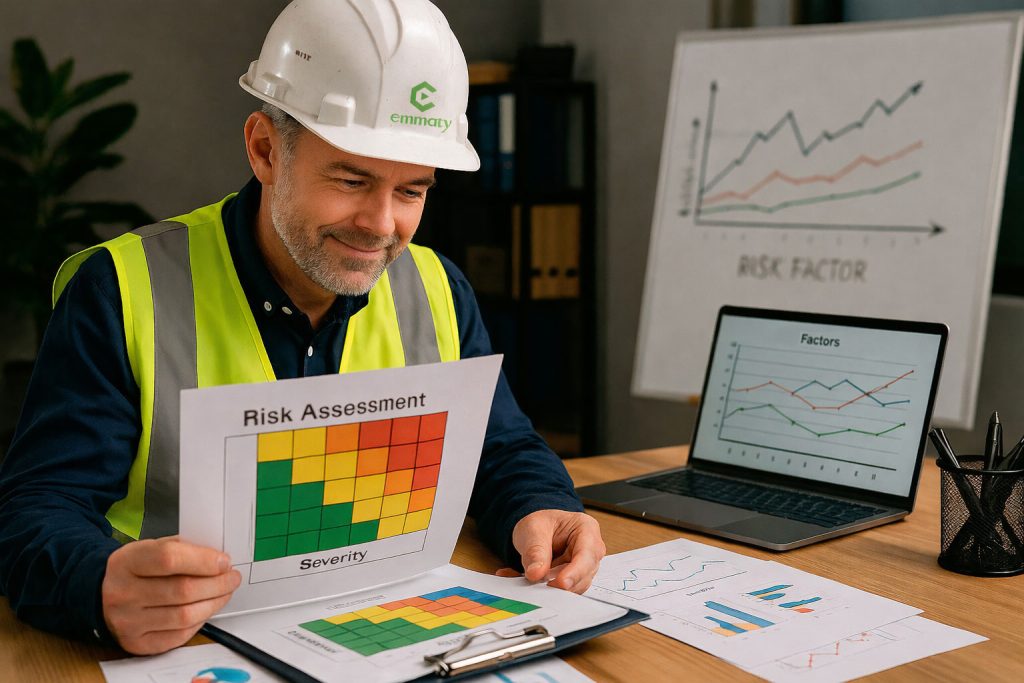
Modern infrastructure is expected to perform safely, efficiently, and reliably throughout its entire lifecycle. From transportation networks and government facilities to commercial buildings and utility systems, every asset is exposed to environmental conditions, operational demands, and aging components that can affect performance over time. Understanding and managing risk and reliability factors is essential to protecting investments, ensuring public safety, and maintaining uninterrupted operations.
Understanding Risk and Reliability
Risk refers to the likelihood that an event or condition will negatively impact the safety, functionality, schedule, or cost of a project or facility. Reliability, on the other hand, measures an asset’s ability to consistently perform its intended function under expected operating conditions.
Successful infrastructure projects balance both concepts by identifying potential risks early and implementing engineering solutions that improve long term reliability.
Common Risk Factors in Infrastructure Projects
Every project faces unique challenges, but several risk factors commonly influence infrastructure performance.
Aging Infrastructure
Many public and private facilities were designed decades ago and are operating beyond their intended service life. Structural deterioration, outdated building systems, and obsolete equipment can increase maintenance costs and reduce operational efficiency.
Comprehensive assessments help identify deficiencies before they become critical failures, allowing organizations to prioritize repairs and modernization efforts.
Environmental Conditions
Weather, moisture, temperature fluctuations, flooding, seismic activity, and corrosion all contribute to infrastructure degradation. Engineering designs must account for local environmental conditions while selecting durable materials capable of withstanding long term exposure.
Resilient design strategies improve performance and reduce future maintenance requirements.
Construction Quality
The quality of construction directly influences the reliability of an asset. Proper workmanship, adherence to specifications, quality control inspections, and material verification ensure that infrastructure performs as designed.
Strong quality assurance programs reduce the likelihood of defects, rework, and premature failures.
Operational Demands
Facilities often experience changing operational requirements throughout their lifespan. Increased occupancy, higher traffic volumes, equipment upgrades, and evolving mission needs may place additional stress on existing infrastructure.
Engineering evaluations help determine whether systems can safely accommodate these changing demands or require upgrades.
Engineering Strategies for Improving Reliability
Reliability begins during planning and continues through design, construction, and long term maintenance.
Comprehensive Site Assessments
Detailed inspections and condition assessments provide valuable insight into the current state of facilities and infrastructure. Structural evaluations, building system reviews, and material testing allow engineers to identify vulnerabilities before construction begins.
Early identification reduces uncertainty and improves project planning.
Integrated Engineering Design
Multidisciplinary engineering teams coordinate structural, civil, mechanical, electrical, plumbing, and fire protection systems to create solutions that perform reliably throughout the asset’s lifecycle.
Integrated design minimizes conflicts between disciplines while improving constructability and long term maintainability.
Quality Management
Quality management programs establish consistent standards throughout every phase of a project. Regular inspections, documentation, testing, and verification ensure compliance with design requirements and industry standards.
These practices reduce construction risks while improving project outcomes.
Preventive Maintenance Planning
Reliability extends beyond project completion. Developing preventive maintenance strategies helps facility owners protect infrastructure investments through routine inspections, scheduled maintenance, and timely repairs.
A proactive maintenance approach minimizes downtime and extends service life.
Safety and Risk Mitigation
Risk management is closely tied to workplace safety and operational continuity.
Effective mitigation strategies include:
- Comprehensive hazard identification
- Detailed project planning
- Regulatory compliance
- Safety training programs
- Construction quality inspections
- Material verification
- Schedule coordination
- Continuous communication among stakeholders
These measures reduce uncertainty while supporting safer project execution.