
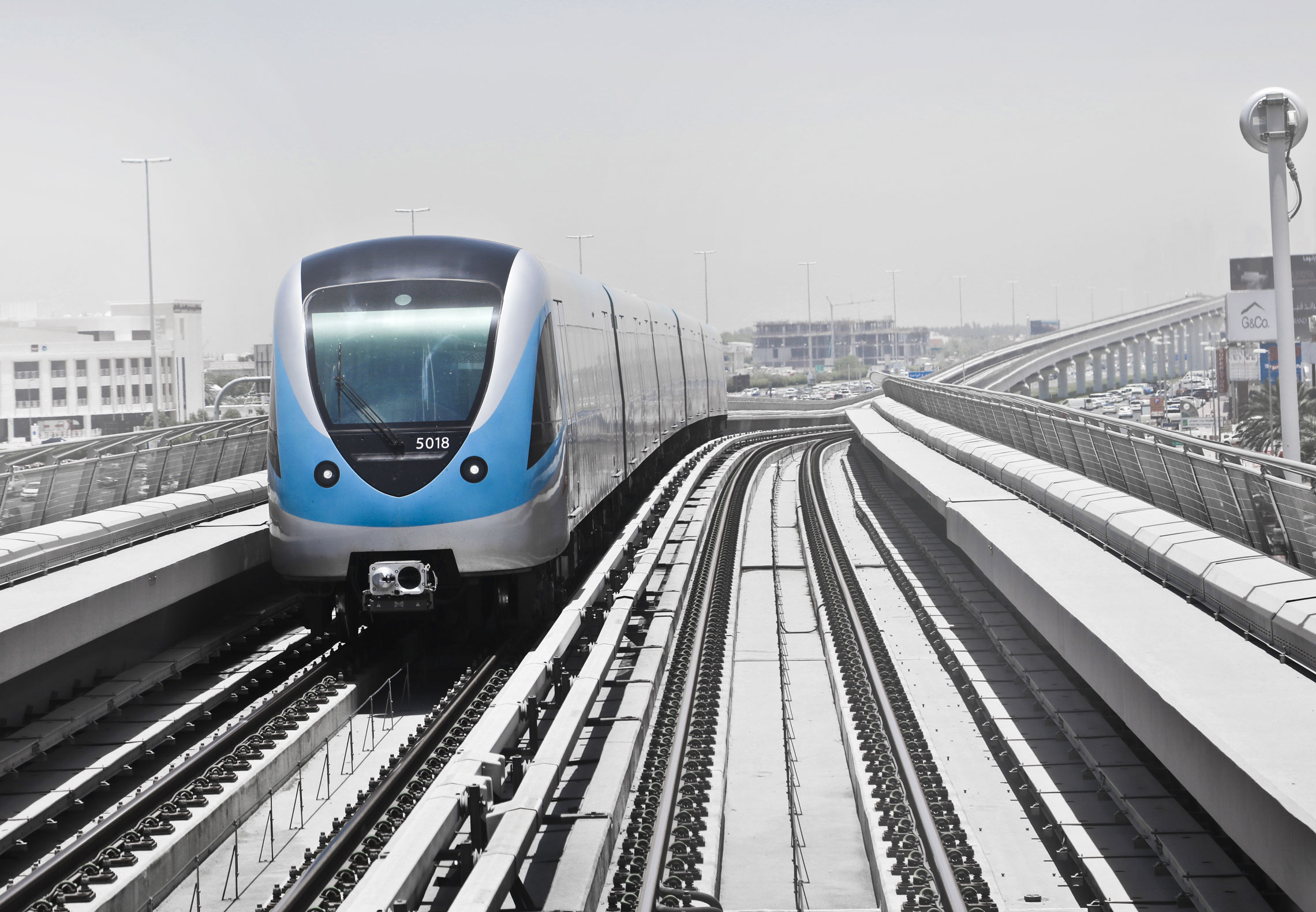
Rail infrastructure is entering a period of renewal across developed economies. Networks built decades ago are reaching the end of their design life just as demand for low-carbon, high-capacity transportation continues to grow. Governments and transit agencies are responding with long-term investment programs that go beyond replacing aging assets. They are rethinking how rail systems are designed, built, powered, and maintained.
Modernizing Aging Assets
Much of the rail infrastructure in North America and Europe was built more than half a century ago. Bridges, tunnels, track beds, signaling systems, and stations now require major rehabilitation to meet current safety and performance standards. State-of-good-repair programs have become a priority, focused on replacing deteriorated components, improving drainage and track geometry, and extending the service life of existing structures. These programs often have to be delivered while trains continue to run, which requires careful phasing, temporary works, and close coordination with operations.
Electrification and Decarbonization
Electrification is one of the most significant trends in rail development. Electrified lines reduce emissions, lower operating costs, and improve acceleration and reliability compared with diesel service. Where full electrification is not yet practical, battery-electric and hydrogen trains are being tested on regional lines. Traction power substations, overhead catenary systems, and their connection to the utility grid are becoming central elements of rail projects, increasingly paired with on-site renewable generation and energy storage.
Digital Signaling and Train Control
Advanced signaling technologies, such as Communications-Based Train Control (CBTC) and the European Train Control System (ETCS), allow trains to run closer together safely, increasing capacity without building new track. Positive Train Control is now required across major rail networks in the United States. These systems depend on robust communications networks, wayside equipment, and integration with existing infrastructure, which makes coordination between civil, electrical, and systems teams essential.
High-Speed and Intercity Rail
Several developed nations continue to expand high-speed rail corridors to connect major metropolitan regions and offer an alternative to short-haul flights and congested highways. In the United States, intercity passenger rail is receiving renewed attention through federal funding programs aimed at upgrading existing corridors and planning new ones.
Resilience and Climate Adaptation
Extreme heat, flooding, and severe storms place increasing stress on rail assets. Agencies are investing in elevated track sections, improved drainage, heat-resistant rail, flood protection for tunnels and yards, and backup power for critical systems. Resilience is now considered from the earliest stages of design rather than added after a failure.
Stations as Community Hubs
Stations are being redesigned as accessible, multimodal hubs that connect rail with buses, bicycles, pedestrian networks, and electric vehicle charging. Accessibility upgrades, improved lighting and wayfinding, and transit-oriented development around stations are helping rail systems better serve the communities around them.
Data-Driven Maintenance
Sensors, inspection drones, and predictive analytics are changing how rail assets are maintained. Instead of fixed maintenance schedules, agencies are moving toward condition-based maintenance that identifies problems before they cause service disruptions. Building Information Modeling (BIM) and digital asset records support this shift by providing accurate data throughout the asset lifecycle.
Building the Future of Rail
The future of rail in developed nations depends on infrastructure that is safer, cleaner, more resilient, and more efficient. At Emmaty, we bring together engineering, construction, and energy expertise to support transit and rail projects, from traction power and electrical systems to stations, structures, and supporting facilities. Our teams focus on careful planning, safe delivery, and long-term performance, helping agencies modernize the networks that keep communities connected.