
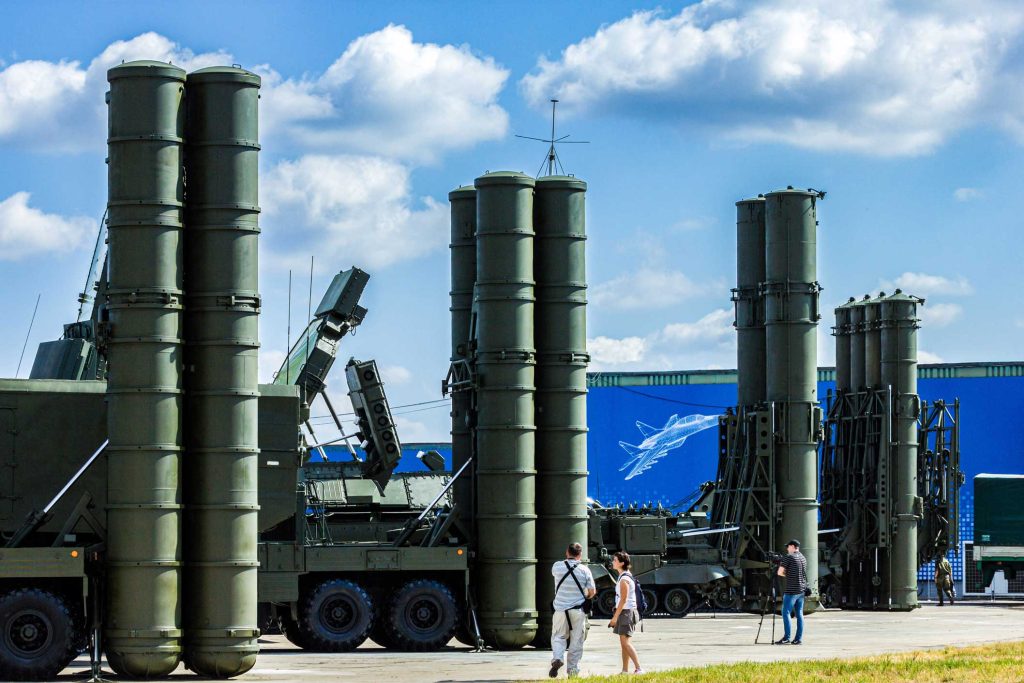
Modern defense extends far beyond the battlefield. Today, military organizations are responsible for protecting critical infrastructure, securing digital networks, safeguarding transportation systems, and ensuring the resilience of energy, communications, and public facilities that support national security. As global threats become increasingly complex, governments continue to invest in advanced technologies, resilient infrastructure, and innovative engineering solutions that strengthen defense capabilities while protecting the nation’s essential assets.
The U.S. Department of Defense (DoD), the Department of Homeland Security (DHS), the Cybersecurity and Infrastructure Security Agency (CISA), and other federal agencies work together to identify emerging threats, strengthen critical infrastructure, and improve national preparedness. Through continuous modernization, strategic investments, and collaboration with industry partners, these organizations help ensure the security, reliability, and resilience of the nation’s defense and infrastructure systems.
1. Intelligent Infrastructure Protection
Protecting military bases, transportation networks, energy facilities, ports, and government buildings begins with resilient infrastructure. Governments continue to invest in modern engineering, secure facility design, advanced surveillance systems, and integrated physical security measures that improve situational awareness and reduce operational risks.
2. Advanced Cybersecurity
Cybersecurity has become one of the most critical components of national defense. Federal agencies continuously strengthen cybersecurity frameworks, secure government networks, protect operational technology, and improve threat detection capabilities to defend against cyber attacks targeting critical infrastructure and sensitive information.
3. Secure Communications Networks
Reliable communication is essential during military operations and emergency response. Government investments in secure communications, encrypted networks, satellite connectivity, and resilient communications infrastructure ensure that defense personnel can maintain uninterrupted coordination under any operating conditions.
4. Integrated Command and Control Systems
Modern command and control platforms provide decision makers with real time operational awareness by integrating information from multiple sources into a unified operating picture. These systems improve coordination between military branches, emergency management organizations, and government agencies responsible for protecting national infrastructure.
5. Critical Infrastructure Resilience
National security depends on resilient infrastructure capable of withstanding both natural disasters and human caused threats. Governments invest in strengthening power grids, transportation systems, water infrastructure, telecommunications, and public facilities to ensure essential services remain operational during emergencies and national security events.
6. Smart Border and Facility Security
Protecting national borders and strategic facilities requires advanced monitoring, access control, perimeter security, and continuous situational awareness. Federal agencies deploy integrated security solutions that help safeguard military installations, ports of entry, airports, and other high value assets while improving operational efficiency.
7. Digital Engineering and Infrastructure Modernization
Digital engineering has transformed the planning, construction, and maintenance of military facilities. Building Information Modeling (BIM), digital project management, and integrated engineering workflows improve project coordination, reduce lifecycle costs, and ensure critical infrastructure is designed to meet evolving mission requirements.
8. Energy Security and Resilient Facilities
Energy resilience has become a strategic priority for defense organizations. Governments continue to modernize military installations through energy efficient buildings, microgrids, backup power systems, renewable energy integration, and resilient utility infrastructure that support mission continuity during power disruptions or emergencies.
9. Supply Chain Security
Reliable supply chains are essential for maintaining military readiness. Government agencies work closely with industry partners to strengthen procurement processes, improve logistics resilience, secure critical manufacturing capabilities, and reduce vulnerabilities across the defense industrial base.
10. Public Private Collaboration
The protection of critical infrastructure requires close collaboration between government agencies and private industry. Engineering firms, technology providers, construction companies, and infrastructure specialists play a vital role in designing, constructing, maintaining, and modernizing the facilities and systems that support national defense. These partnerships accelerate innovation while ensuring projects meet the highest standards of safety, security, and operational performance.
Building a More Secure Future
The future of defense depends on more than military capability it requires resilient infrastructure, secure facilities, reliable communications, sustainable energy systems, and modern engineering solutions that support mission success. By continuously investing in infrastructure modernization, cybersecurity, operational resilience, and collaborative partnerships, governments are strengthening the nation’s ability to respond to emerging threats while protecting the people, systems, and assets that are critical to national security.
At Emmaty, we support this mission by delivering engineering, construction, infrastructure modernization, digital integration, and secure facility solutions that help government agencies strengthen resilience, improve operational performance, and protect critical infrastructure. Through engineering excellence, sustainable practices, and a commitment to quality, we help build the resilient infrastructure that supports national defense today and into the future.