
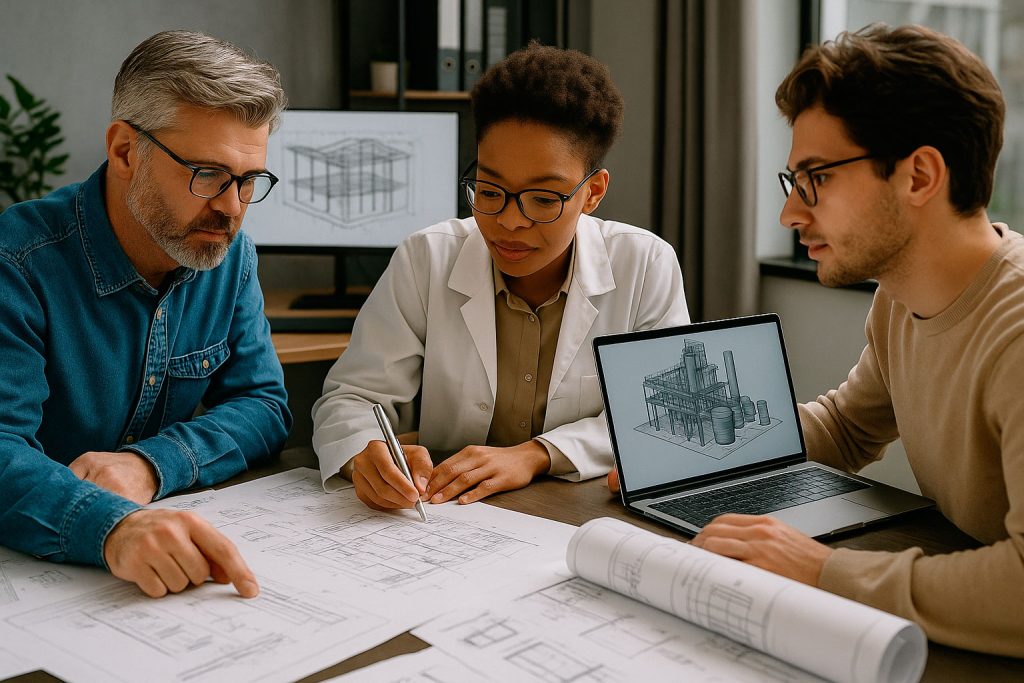
Complex construction and infrastructure projects require the seamless integration of multiple engineering disciplines, stakeholders, and construction teams. Engineering coordination is the process of aligning these efforts to ensure that every system works together efficiently, safely, and in accordance with project objectives. From concept development through construction and commissioning, effective coordination minimizes conflicts, improves project quality, and supports successful project delivery.
As projects become more sophisticated, engineering coordination has become one of the most important factors in delivering infrastructure that performs reliably throughout its lifecycle.
What Is Engineering Coordination?
Engineering coordination is the collaborative process of integrating various engineering disciplines, project stakeholders, and construction activities into a unified project strategy. It ensures that designs are technically compatible, construction activities are properly sequenced, and project requirements are consistently met.
Rather than working independently, engineering teams collaborate throughout the project lifecycle to develop coordinated solutions that improve efficiency, reduce risk, and optimize overall project performance.
The Importance of Multidisciplinary Collaboration
Infrastructure projects rely on the expertise of professionals from multiple engineering disciplines. Effective coordination ensures that each discipline contributes to a cohesive and constructible design.
Common disciplines involved include:
- Civil Engineering
- Structural Engineering
- Mechanical Engineering
- Electrical Engineering
- Plumbing Engineering
- Fire Protection Engineering
- Environmental Engineering
- Construction Management
By working together from the earliest planning stages, teams can identify potential challenges before they impact project schedules or budgets.
Reducing Design Conflicts
One of the primary objectives of engineering coordination is identifying and resolving conflicts before construction begins. Incompatible designs, overlapping systems, or insufficient space allocation can lead to costly delays and field modifications.
Through coordinated design reviews and interdisciplinary collaboration, project teams can:
- Resolve system conflicts early
- Improve constructability
- Reduce rework
- Minimize schedule disruptions
- Control project costs
- Improve overall project quality
Early coordination creates a smoother transition from design to construction.
Supporting Efficient Project Delivery
Well-coordinated engineering efforts contribute directly to efficient project execution. Clear communication between design teams, contractors, owners, and consultants ensures that decisions are made quickly and project objectives remain aligned.
Effective coordination helps:
- Improve schedule management
- Streamline procurement activities
- Support construction sequencing
- Optimize resource allocation
- Reduce project uncertainty
- Maintain consistent project documentation
These efficiencies contribute to projects that are completed on time and within budget.
Enhancing Quality and Performance
Engineering coordination plays a significant role in achieving high-quality infrastructure. When all disciplines work from a coordinated set of plans and specifications, construction teams can execute work with greater confidence and accuracy.
Quality improvements include:
- Better system integration
- Consistent engineering standards
- Improved installation accuracy
- Enhanced facility performance
- Greater operational reliability
- Reduced maintenance requirements
A coordinated approach helps ensure that infrastructure performs as intended throughout its service life.