
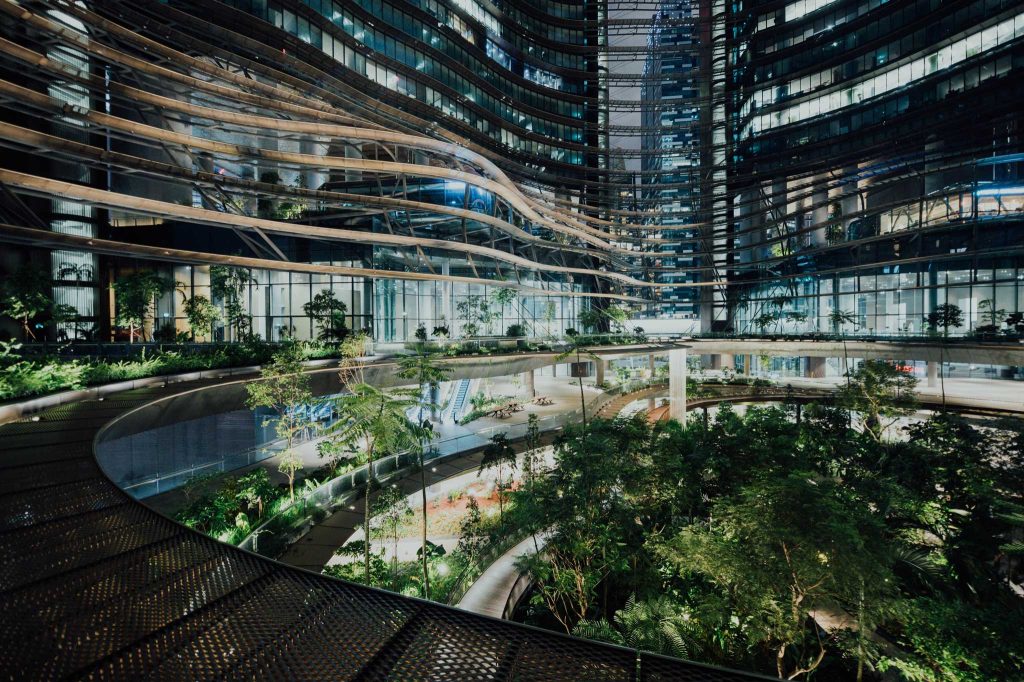
As governments, businesses, and communities work toward a more sustainable future, the construction industry plays a critical role in reducing carbon emissions and improving energy efficiency. Buildings account for a significant share of global energy consumption and greenhouse gas emissions, making sustainable design and construction essential to achieving climate goals. By adopting green building solutions, organizations can lower operating costs, improve occupant well being, and create resilient infrastructure that serves future generations.
Governments around the world are leading this transition by implementing policies, building codes, incentives, and funding programs that encourage the development of high performance, energy efficient buildings. In the United States, federal agencies continue to promote sustainable construction through initiatives that support net zero buildings, renewable energy integration, efficient building systems, and resilient infrastructure. Programs administered by agencies such as the U.S. Department of Energy (DOE), the General Services Administration (GSA), and the Environmental Protection Agency (EPA) encourage the adoption of sustainable building practices while reducing environmental impacts across public and private sectors.
Federal investments, including those made through the Infrastructure Investment and Jobs Act (IIJA) and the Inflation Reduction Act (IRA), have accelerated the deployment of clean energy technologies, building retrofits, and energy efficiency improvements. These initiatives provide funding, tax incentives, and technical support for projects that reduce energy consumption, modernize public infrastructure, and lower carbon emissions. Together, these programs are helping transform the built environment into one that is more sustainable, resilient, and economically efficient.
Green buildings incorporate a wide range of sustainable strategies throughout their lifecycle. High-performance building envelopes, energy-efficient HVAC systems, LED lighting, renewable energy generation, water conservation technologies, and environmentally responsible materials all contribute to reducing a building’s environmental footprint. Integrated engineering and thoughtful design also improve indoor air quality, occupant comfort, and long-term operational performance while lowering maintenance and utility costs.
At Emmaty, sustainability is integrated into every phase of engineering and construction. Our multidisciplinary teams design and deliver buildings that balance environmental responsibility with operational excellence. From early planning and engineering through construction and commissioning, we help clients identify practical solutions that improve energy performance, enhance resilience, and support long-term value.
Our approach includes optimizing building systems, selecting sustainable materials, improving energy efficiency, integrating renewable energy where appropriate, and designing infrastructure that meets evolving environmental standards and client objectives. By combining engineering expertise with proven construction practices, we help deliver facilities that perform efficiently throughout their entire lifecycle.
The transition to low-carbon buildings is more than an environmental initiative it is an investment in stronger communities, healthier workplaces, and more resilient infrastructure. As governments continue to advance sustainability policies and organizations seek to reduce their environmental impact, adopting green building solutions will remain a defining priority for the future of construction. Through engineering excellence, innovative design, and sustainable construction practices, Emmaty is committed to helping clients build energy efficient facilities that create lasting value for generations to come.